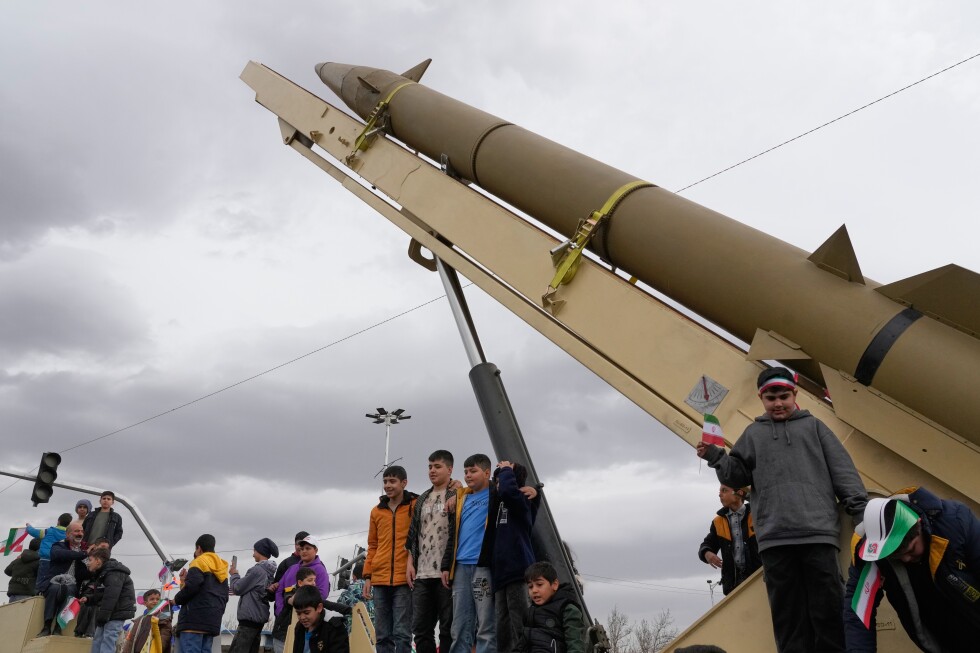
The geopolitical chessboard is rarely static, and recent events have brought the complex dynamics of the US-Iran relationship into sharp focus. With reports of a massive, coordinated "иран ракетная атака" (Iran missile attack) by US and Israeli forces, the world is watching closely as a new chapter in the pursuit of regime change in Tehran unfolds. This time, however, the strategy appears distinctly different: a concerted effort to dismantle the Islamic Republic and neutralize its nuclear ambitions without committing ground troops, a stark departure from previous Middle Eastern engagements.
The audacious campaign marks a significant escalation, targeting not only military and critical infrastructure but also the very symbols of state power and, crucially, the leadership itself. As the dust settles on initial strikes, the effectiveness of this novel approach – relying heavily on air power, cyber warfare, and advanced drone technology – remains a subject of intense analysis.
The Blueprint for "Regime Change from Afar"
The concept of achieving regime change without a significant ground troop presence is a strategic gambit that promises to minimize casualties for the attacking forces while aiming to maximize disruptive impact. This strategy for Iran appears to be multi-faceted, leveraging technological superiority and precision strikes to create an environment conducive to internal collapse or significant policy shifts.
Key pillars of this "regime change from afar" strategy include:
- Overwhelming Air Superiority: Utilizing advanced fighter jets, bombers, and precision-guided munitions to strike a broad spectrum of targets across Iran. This ensures the ability to degrade enemy capabilities and project power without direct engagement on the ground.
- Strategic Cyber Warfare: Disabling critical infrastructure, command and control systems, and official communication channels. Such attacks can sow confusion, disrupt military operations, and undermine public trust in the government's ability to protect its citizens and maintain order.
- Targeted Drone Operations: Deploying sophisticated unmanned aerial vehicles (UAVs) for reconnaissance, surveillance, and precision strikes. The US, for instance, has reportedly developed systems like the Scorpion Strike with LUCAS kamikaze drones, a direct competitor to technologies like Russia's Geran-2, highlighting a growing reliance on autonomous strike capabilities.
- Economic Sanctions & Diplomatic Pressure: While not part of the direct military operation, these ongoing pressures aim to weaken the regime from within, exacerbating public discontent and limiting its ability to fund its military and nuclear programs.
This approach seeks to decapitate the regime's military and political leadership, paralyze its operational capacity, and eliminate its most dangerous capabilities, particularly its nuclear program, all while attempting to avoid a drawn-out, costly ground war that has historically proven unpopular and resource-intensive.
Targeting the Core: Leadership, Infrastructure, and Nuclear Ambitions
The scope of the initial attacks suggests a deliberate strategy to hit the Islamic Republic where it hurts most. Reports indicate that the primary objectives extend beyond mere military installations to the very heart of Iran's governing and defense structures. The simultaneous strikes on dozens of military sites, key infrastructure nodes, and locations believed to house top leaders underscore the depth of this ambition.
Crucial targets reportedly included:
- Leadership Centers: Efforts were made to target potential hideouts of Iran's spiritual leader (Ayatollah Ali Khamenei) and its president, although initial reports suggest they were unharmed and in secure locations. The symbolic value of striking the offices of Khamenei, the Supreme Court, and other judicial institutions is undeniable, aiming to undermine the legitimacy and authority of the regime.
- Air Defense Systems: A top priority in any aerial campaign is to neutralize enemy air defenses. Iran's PVO (air defense system), which had reportedly suffered setbacks in previous engagements, was a key target, with the goal of achieving overwhelming air superiority and minimizing risks to attacking aircraft.
- Missile Units: Given Iran's formidable missile arsenal, striking its missile parts and launch sites is a critical component of degrading its retaliatory capabilities and regional projection of power.
- Nuclear Facilities: Former US President Donald Trump’s emphatic statement, "We will ensure that Iran does not get nuclear weapons. It's a very simple message: they will never have nuclear weapons," highlights the unwavering commitment to preventing Iran from developing an atomic bomb. Attacks on sites like the Atomic Energy Agency's offices in Tehran, and potentially the Bushehr nuclear power plant, indicate a direct assault on the infrastructure and personnel associated with Iran's nuclear program. This re-emphasizes that previous campaigns failed to achieve this objective, suggesting Iran continued its nuclear ambitions.
- Symbolic State Buildings: Beyond direct military assets, targets included intelligence headquarters, the Ministry of Defense, and other buildings symbolizing governmental authority, aiming to project power and create a perception of vulnerability.
The widespread nature of the bombings, extending beyond the capital to major provincial centers like Qom, Tabriz, and Isfahan, demonstrates a comprehensive attempt to cripple the country's military, economic, and political fabric simultaneously. For more detailed information on the specific targets and the scale of these operations, you can refer to our related article: Iran War: US-Israel Airstrikes Target Leaders & Nuclear Sites.
Iran's Resilience and Retaliation
No military operation occurs in a vacuum, and Iran's response was swift, albeit with mixed results. The Islamic Republic launched its own "иран ракетная атака" against Israel and US military bases in the United Arab Emirates and Bahrain. While a significant portion of these incoming missiles was reportedly intercepted by advanced defense systems, videos circulating on social media showing smoke plumes from impact sites suggested that Iran’s air defense was breached in certain areas.
The ability of Iran’s air defense (PVO) to successfully intercept incoming threats, especially to achieve a "goal of prestige" by downing at least one US or Israeli aircraft, is crucial for both domestic morale and projecting an image of resilience. The perception of vulnerability, or conversely, invincibility, plays a significant role in psychological warfare during such conflicts. The lack of confirmed downed enemy aircraft during previous campaigns reportedly had a detrimental effect on the morale of the Iranian army and the steadfastness of its society.
Iran's strategic objective in its retaliation is not necessarily to inflict catastrophic damage, but to demonstrate capability, deter further attacks, and maintain regional leverage. The ripple effects of these exchanges extend beyond immediate military consequences, impacting shipping lanes, oil markets, and the broader stability of the Middle East. For a deeper dive into the specifics of Iran's counter-attacks and their implications, explore: Iran's Retaliation: Missile Defense Breaches & Regional Tensions.
The Evolving Battlefield: Drones, Cyber, and the "Short War" Conundrum
The current conflict showcases the evolving nature of modern warfare, where technological advancements are enabling new forms of engagement. The deployment of advanced drones, like the US-developed Scorpion Strike with LUCAS kamikaze capabilities (a direct rival to Russia's Geran-2), indicates a strategic pivot towards unmanned systems for both offensive and defensive operations. These drones offer precision strike capabilities, reduced risk to human pilots, and the potential for swarming attacks that can overwhelm enemy defenses.
Cyber warfare has also become an indispensable tool. The disruption of official information resources and other critical infrastructure through digital attacks serves multiple purposes: it can hinder military coordination, spread disinformation, and erode public confidence in the targeted regime. This invisible front adds another layer of complexity, making the battlefield both physical and digital.
However, the efficacy of achieving deep strategic objectives, such as regime change, without boots on the ground remains the subject of considerable expert debate. Former President Trump had amassed a formidable armada near Iran's borders and engaged in prolonged negotiations combined with military pressure, expressing his desire for a "short operation." While commanding pilots to return or ships to withdraw is always an option, the ability to fundamentally alter a nation's political landscape or dismantle its most sensitive programs purely through aerial and digital means is an unprecedented challenge.
Analysts suggest that one of the most vulnerable and exposed targets for future operations could be Iran's military fleet. From a media perspective, a successful naval operation could be devastating for Iran and highly impactful, showcasing power and control in a visible, dramatic fashion. The ongoing "иран ракетная атака" and counter-attacks represent a crucial experiment in this new era of warfare, testing the limits of non-ground intervention and its potential for unintended escalation.
Conclusion
The current "иран ракетная атака" signifies a critical juncture in the long-standing tensions between the US and Iran. The strategy to pursue regime change and nuclear non-proliferation without committing ground troops is a high-stakes gamble, promising a potentially less costly military engagement but fraught with its own set of challenges. While initial strikes have been extensive, questions persist regarding the ability to achieve fundamental strategic goals from afar, particularly given the resilience of the Iranian leadership and the evolving capabilities of its military. The global community watches intently to see how this experiment unfolds, with profound implications for regional stability, the future of international relations, and the very nature of modern warfare.